


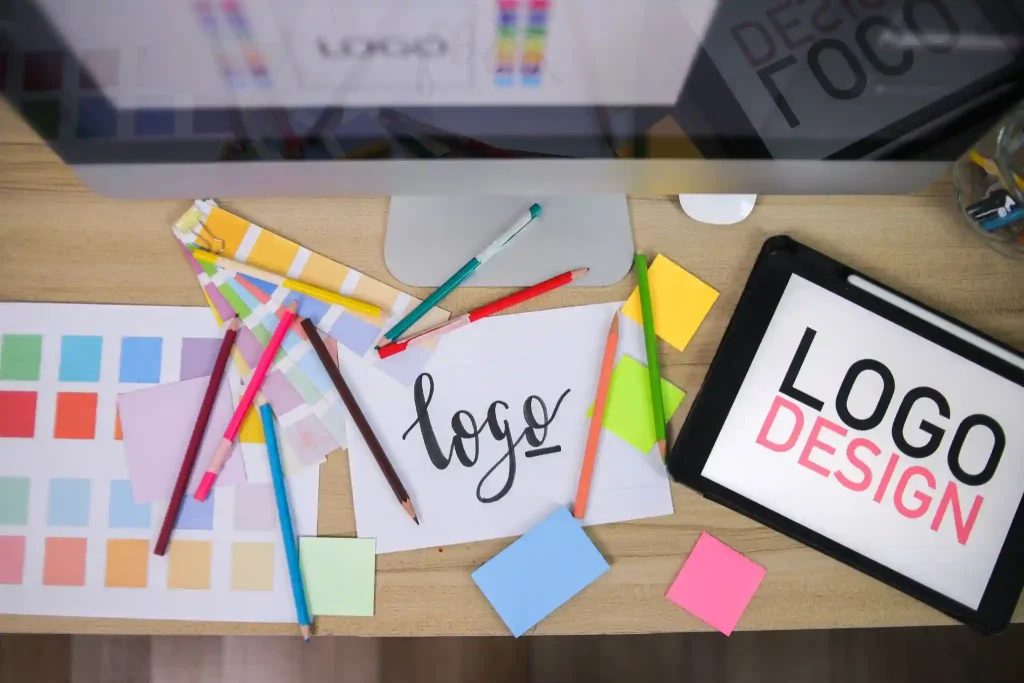
In today’s visually driven world, a logo is more than just a simple graphic. It is the face of your brand, a powerful symbol that embodies your values and mission. A well-designed logo communicates who you are and what you stand for, making it a crucial aspect of your branding strategy. As businesses strive to stand out in crowded markets, understanding the nuances of logo design becomes essential. Effective logos can evoke emotions, create connections, and leave lasting impressions on potential customers. This blog will delve into the best practices, current trends, and essential tips for creating compelling logos that resonate with audiences and enhance branding efforts.
Key Principles of Effective Logo Design
Simplicity and Memorability
One of the foundational principles of effective logo design is simplicity. A simple logo is not only easier to recognize but also more versatile across various applications. Think of iconic logos like Nike or Apple; their designs are straightforward yet memorable. A cluttered logo can confuse viewers and dilute the brand message. When you strip away unnecessary elements, you create a visual identity that stays in the minds of consumers. The goal is to design a logo that can be easily recalled, ensuring that your brand is top of mind when your audience needs your products or services.
Relevance and Brand Identity
Your logo should reflect your brand’s identity and resonate with your target audience. This means taking into account the values, culture, and aspirations of your brand. For example, a tech company might opt for sleek lines and modern typography to convey innovation. In contrast, a craft brewery might choose earthy colors and rustic fonts to communicate authenticity and tradition. The relevance of a logo to your brand identity helps establish trust and connection. It tells your audience that you understand their needs and aspirations, making them more likely to engage with your brand.
Current Trends in Logo Design
Minimalism in Modern Logos
Minimalism is not just a design trend; it is a philosophy that emphasizes the importance of simplicity and functionality. In logo design, minimalism allows brands to communicate their message clearly without distractions. This trend has gained momentum as consumers increasingly prefer clean, straightforward designs that reflect modern aesthetics. Minimalist logos often feature understated color palettes and simple shapes, making them versatile for various media. Brands that embrace minimalism often find that their logos age better and remain relevant over time, adapting seamlessly to changing design trends.
The Rise of Dynamic Logos
Dynamic logos are another exciting trend in the design landscape. Unlike traditional static logos, dynamic logos can change shape, color, or animation based on context or usage. This flexibility allows brands to engage with their audience in innovative ways, creating a memorable experience. Companies like Google and MTV have successfully utilized dynamic logos to reflect their evolving brand identities and keep their audiences engaged. The rise of digital platforms and social media has paved the way for logos that can adapt to various formats, making dynamic logos a valuable trend for modern branding.
The Importance of Color in Logo Design
Psychological Impact of Color Choices
Color is one of the most powerful tools in logo design. It can evoke emotions and influence perceptions. Different colors have distinct meanings and can trigger specific responses from viewers. For example, blue often conveys trust and professionalism, making it a popular choice for corporate brands. Red is associated with energy and passion, suitable for brands that want to make bold statements. Understanding the psychological impact of colors can help you choose the right palette for your logo. When selecting colors, consider not just your brand identity, but also how you want your audience to feel when they see your logo.
How to Choose the Right Color Palette
Choosing the right color palette involves careful consideration and testing. Start by identifying the emotions you want your brand to evoke and the messages you want to communicate. Research your competitors to see what colors they are using and how you can differentiate yourself. Once you have a few color options, test them in various applications, such as business cards, websites, and merchandise. This testing helps ensure that your logo remains effective across different mediums. Remember that consistency is vital; your color palette should be applied consistently across all branding materials to create a cohesive brand identity.
Typography in Logo Design
Selecting Fonts That Align with Your Brand
Typography plays a crucial role in logo design, as the choice of font can significantly impact brand perception. Fonts convey personality; a bold, modern font can communicate strength and innovation, while a classic serif font may evoke tradition and reliability. It’s essential to choose a font that aligns with your brand’s identity and resonates with your target audience. Experiment with different fonts, but ensure that they are legible in various sizes and contexts. Your logo should be easily recognizable, whether on a billboard or a mobile screen, which emphasizes the importance of thoughtful font selection.
Balancing Readability and Aesthetics
While aesthetics are important, readability should never be compromised. A beautiful font that is difficult to read can hinder brand recognition and effectiveness. Strive for a balance between style and clarity. Consider how your logo will be used across different platforms and formats. Ensure that your typography remains legible in both large and small sizes. Additionally, avoid using too many different fonts in one logo; stick to one or two complementary fonts to maintain visual harmony. This approach will help create a logo that is not only visually appealing but also functional.
Designing for Versatility and Scalability
Adapting Logos for Various Media
In today’s digital landscape, logos must be versatile enough to work across multiple platforms and media. Whether it’s on social media, a website, or physical merchandise, your logo should maintain its integrity and impact. Consider how your logo will look in different formats, including black and white, color, and various sizes. A well-designed logo should be easily adaptable, ensuring that it looks consistent and professional regardless of where it appears. Creating a logo that is scalable means it should maintain its quality whether displayed on a small mobile screen or a large billboard.
Ensuring Clarity at Different Sizes
Another critical aspect of logo design is ensuring clarity at varying sizes. A logo that looks great on a website might lose its impact when shrunk down for a business card. Test your logo at different sizes to ensure that it remains recognizable and effective. This is especially important for digital platforms where logos may often be displayed in smaller formats. A logo that retains its clarity and impact at all sizes will be more effective in building brand recognition and awareness.
Common Mistakes to Avoid in Logo Design
Overcomplicating the Design
One of the most common mistakes in logo design is overcomplication. Designers often feel the need to include too many elements or intricate details, leading to a cluttered and confusing logo. Remember, less is more. A simple, clean design is often more impactful and memorable than an overly complex one. Focus on the core elements that represent your brand and eliminate anything that does not serve a purpose. A clear, straightforward logo will be more effective in communicating your brand message and ensuring brand recognition.
Neglecting Target Audience Preferences
Another mistake is neglecting the preferences of your target audience. A logo should resonate with the people you aim to attract. Conducting market research and testing your designs with focus groups can provide valuable insights into what appeals to your audience. Understanding their preferences, values, and expectations will enable you to create a logo that connects with them on a deeper level. A logo that reflects the tastes and preferences of your target demographic will be more effective in building brand loyalty and engagement.
FAQs
What are the key elements of a good logo?
A good logo is simple, memorable, relevant, versatile, and timeless. It should effectively represent your brand’s identity and values.
How important is color in logo design?
Color is crucial in logo design as it can evoke emotions and influence perceptions. Choosing the right color palette can significantly impact how your brand is perceived.
What should I avoid when designing a logo?
Avoid overcomplicating the design and neglecting your target audience’s preferences. A cluttered logo can confuse viewers, while ignoring audience feedback can lead to a disconnect.